The Moat
Not just what’s in it. What’s been done to it.
The defensible asset is the process, not the ingredient list. In an otherwise commodity category, Igniton’s cold-plasma charging alters each ingredient’s molecular state before encapsulation — the step competitors can’t easily replicate, and the reason head-to-head studies favor the charged formula over the same uncharged inputs.
Commodity inputs, proprietary process
The ingredients are ordinary GRAS compounds; the moat is what’s done to them. Cold-plasma charging puts each into an “excited” state before encapsulation — the formula holds, the enhancement is the variable.
A lower effective dose
The company reports 80–90% lower effective dose required, with stronger effect at lower concentration as measured in GDV testing.
Measured, not asserted
Gas Discharge Visualization (GDV) — the same instrumentation used in the published Igniton trials — is used to quantify the charged state.
The apparatus
From CERN-era instruments to a compact Colorado system.
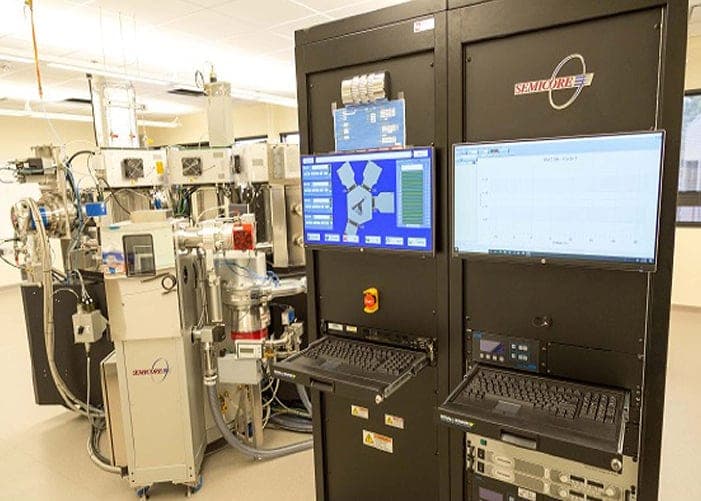
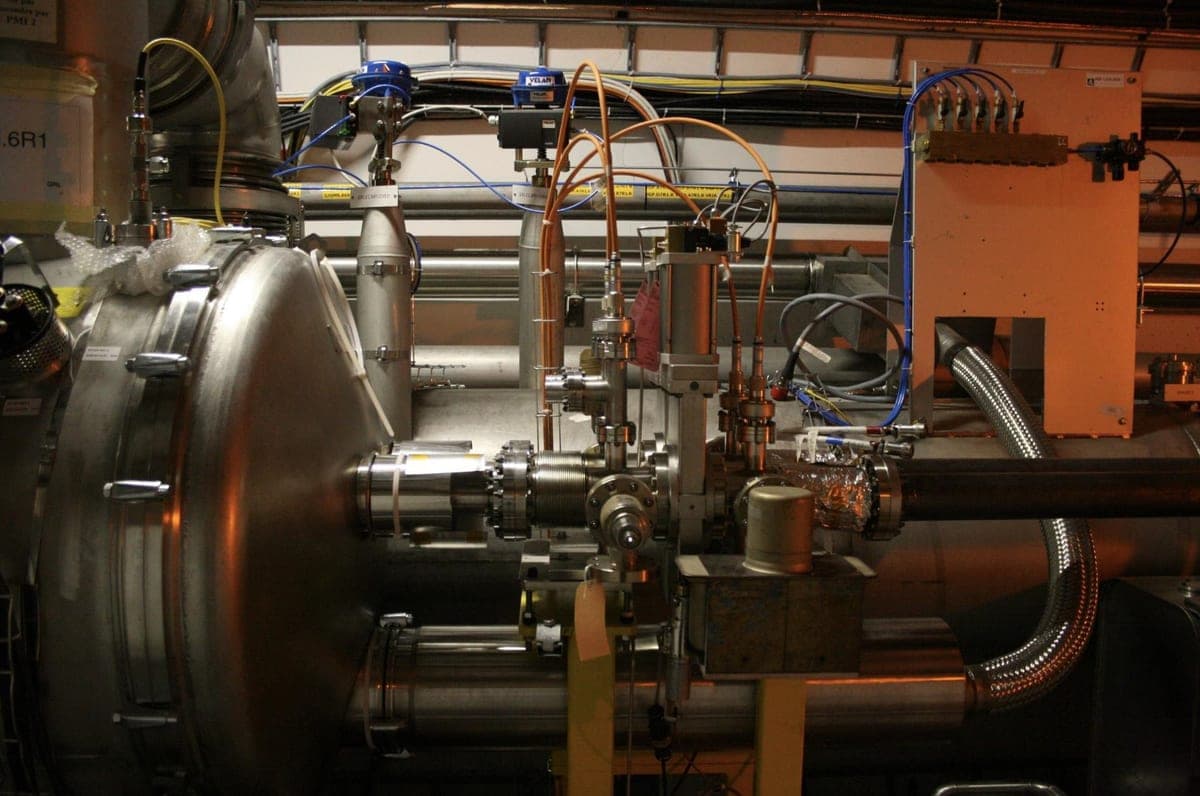
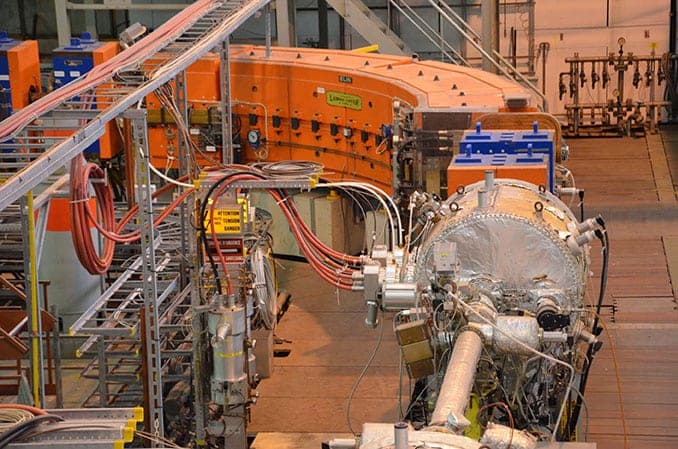
Igniton (eNPQ quasi-particle) technology was developed from the 1990s. In 1995 a laboratory was established in Switzerland, with much of the measurement hardware rented from CERN. Once the physics was characterized, a compact, energy-efficient cold-plasma system was designed and built in Colorado — where the process runs today.
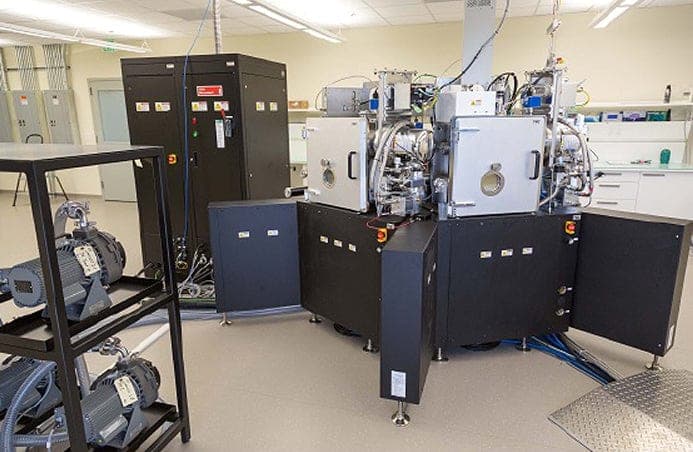
Today — Colorado
Hot plasma replaced by cold plasma: far more energy-efficient and compact.

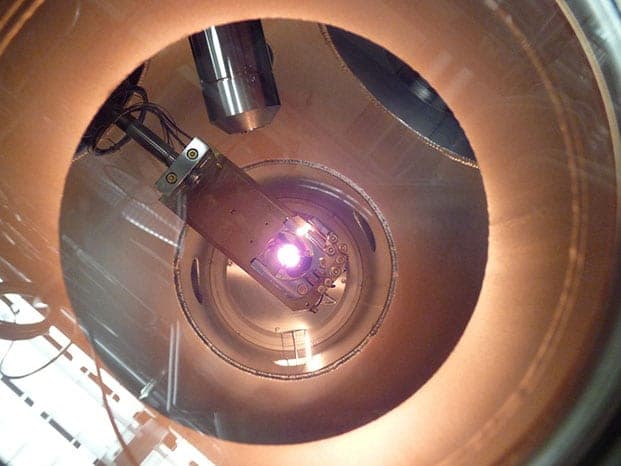
High-vacuum cold-plasma with coherent photonic-stream complex — Si-wafers with quantum-well nano-layers

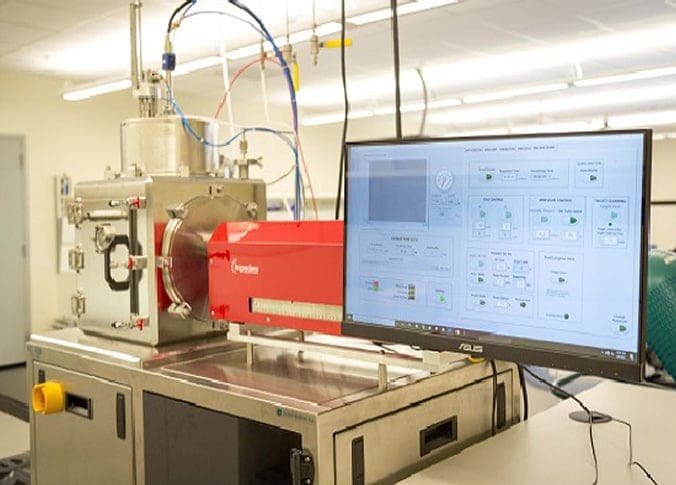
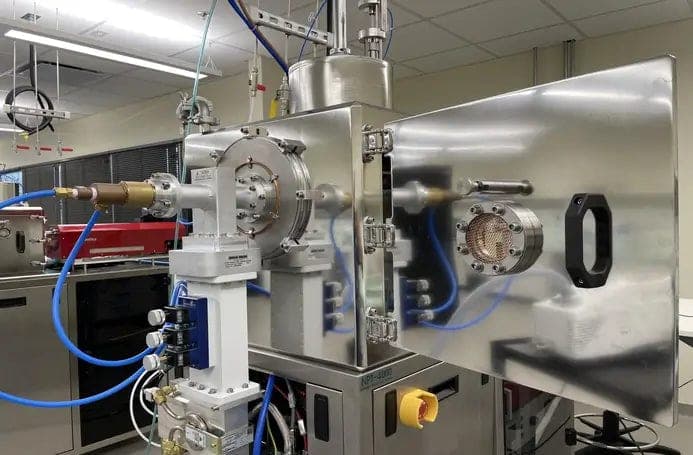
Direct igniton deposition equipment

Direct igniton deposition into protons in the molecule mix

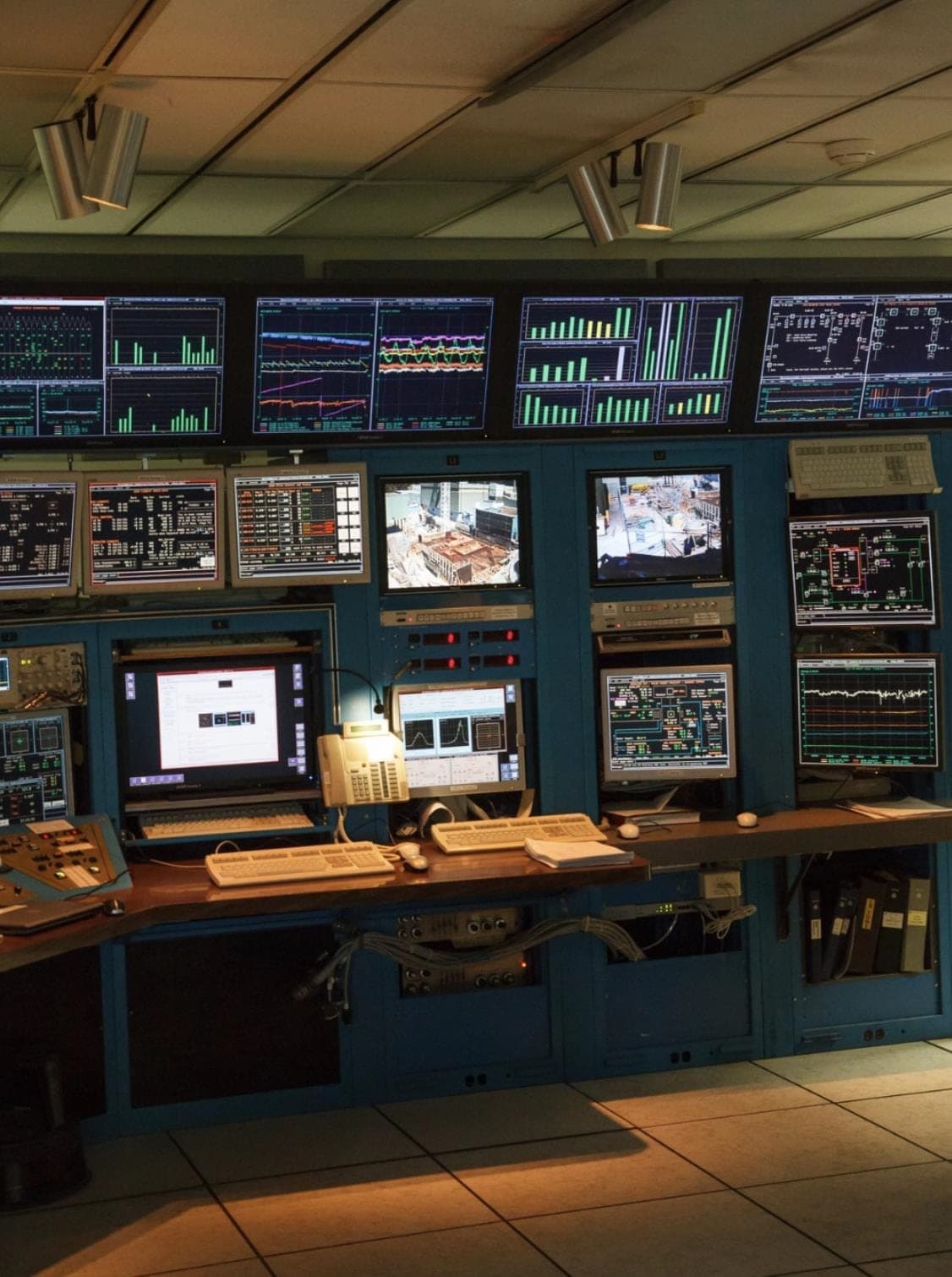
Computer control unit & vacuum plasma chambers
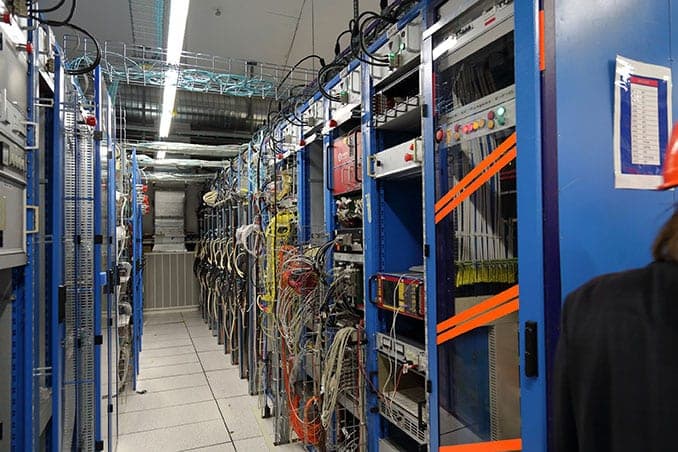
Original characterization — Swiss laboratory (CERN-era)
The instruments that verified and measured the eNPQ quasi-particle before industrialization.

Hot-plasma resonance chamber

Light–matter interaction — laser sample disintegration

eNQP acceleration stage

eNQP detectors array — spherical, electronically focused

Vertical magneto-static / RF deflector

Electronic control & counting systems
Measured, not asserted
Your body is 70% water. What state is yours in?
Gas Discharge Visualization (GDV) — pioneered by advisor Prof. Konstantin Korotkov and used in the published trials — measures a sample’s energy output and molecular order. Untreated water, next to Igniton-charged water.

Uncharged
Standard water
5.56
Energy · 10⁻² Joules · Inner noise = 3,033

Igniton
Charged water
14.04
Energy · 10⁻² Joules · Inner noise = 1
'Ignitons,' 'coherence,' and related concepts represent Igniton's framework and are not presented as established scientific consensus.
Science lineage
From particle physics to the human body
Framed as Igniton’s framework, not settled physics.
- 1990s
Discovery and characterization of the eNPQ quasi-particle later named “ignitons.”
- 1995
Laboratory established in Switzerland; much of the measurement hardware rented from CERN.
- 2023
Cold-plasma production operation established in Louisville, Colorado.
- 2024–25
University-led trials completed and published in peer-reviewed journals.
In the facility
Made in Colorado — in-house, end to end.

Controlled-environment handling

In-house formulation & encapsulation

Process monitoring & measurement
IP & moat
The source describes a patented process embedding ignitons into the molecules, plus a proprietary cold-plasma and laser-photonics system developed over 30 years, and manufacturing know-how.
Patent / IP status:Pending verification
'Ignitons,' 'coherence,' and related concepts represent Igniton's framework and are not presented as established scientific consensus.